Because in the Bravo universe, “I’m sorry” always comes with a side of shade, a stylist, and a storyline.
No one does an apology tour like a Real Housewife — dramatic, diamond-studded, and occasionally sincere.
From tearful reunion monologues to brunch-table breakdowns, the Housewives franchise has turned remorse into performance art. Each episode delivers a masterclass on the dynamics of friendships, rivalries, and the complex emotions that come with betrayal and forgiveness. We witness the intense vulnerability of these women, often presented in a hyperbolic fashion, which allows for both laughter and reflection.
But beneath the glam, the gossip, and the glassware casualties, there’s something fascinating happening: a cultural study on how women in the spotlight navigate accountability — or avoid it entirely. These vividly depicted scenarios provoke a deeper discussion about personal growth, the authenticity of apologies, and the societal expectations placed on women to reconcile their actions.
As viewers, we are drawn into their narratives—razor-sharp comebacks one moment, heartfelt admissions the next. What emerges is a duality: the spectacle of fame coupled with the profound human need for connection, understanding, and redemption. This interplay compels us to consider how public figures, especially women, manage the fallout of their choices amidst the unforgiving lens of reality television.
In essence, these tours are not merely about seeking forgiveness; they are intricate performances laden with lessons on resilience, the complexities of female relationships, and the ongoing challenge of accountability in a world that often scrutinizes women more harshly than their male counterparts.
🎬 The Bravo Apology Formula
If you’ve seen one Housewives apology, you’ve seen them all.
- The Teaser: “If I hurt you, that wasn’t my intention.”
- The Deflection: “But you have to admit, you provoked me.”
- The Justification: “I was going through a lot at the time.”
- The Rebrand: New stylist, new tagline, same energy.
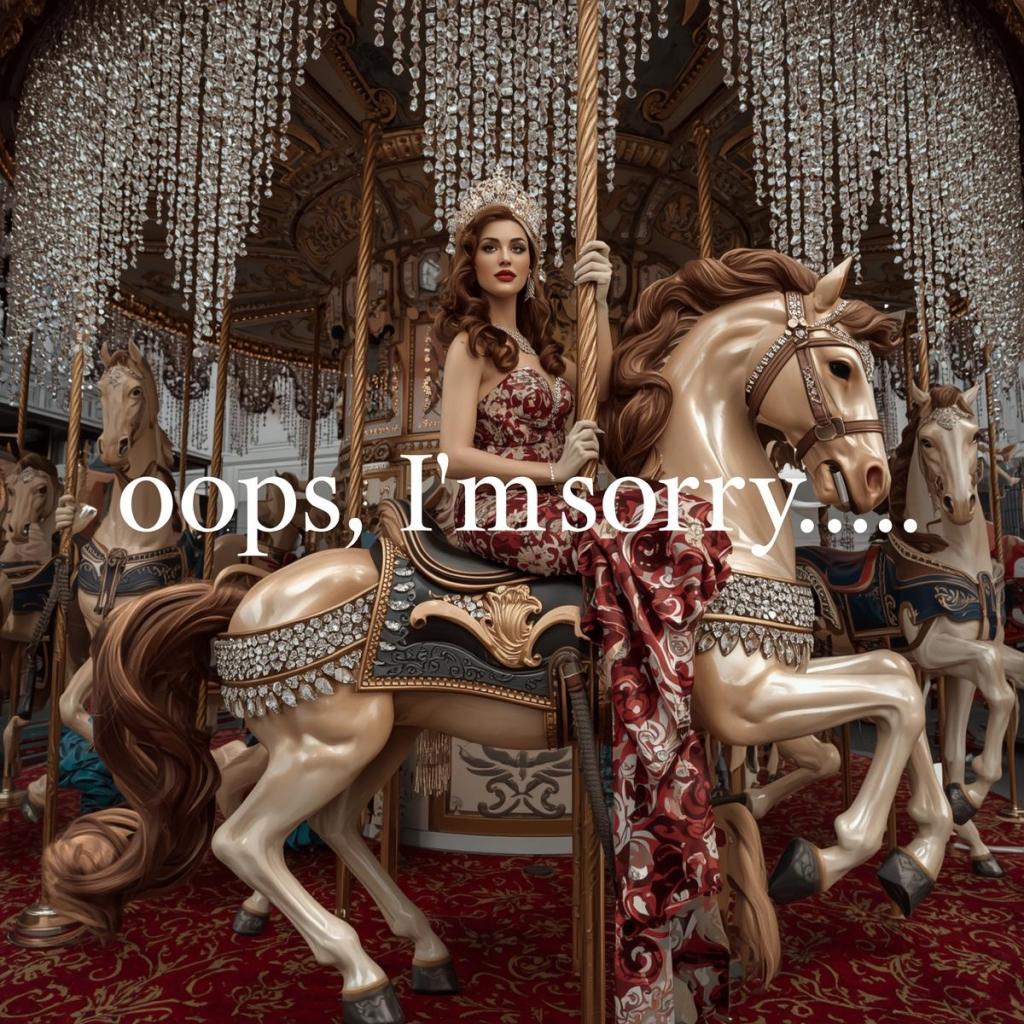
It’s practically a ritual. Cue the dramatic music, insert slow zoom, and serve the tears with designer contour.
But here’s the twist — these aren’t just bad apologies. They’re strategic ones.
Every word is curated to balance contrition with control. They need to appear humble without surrendering status, sorry without seeming weak.
It’s not an apology.
It’s damage control with diamonds.
🪞 Performance vs. Accountability
The Housewives don’t just represent reality TV — they mirror our social landscape.
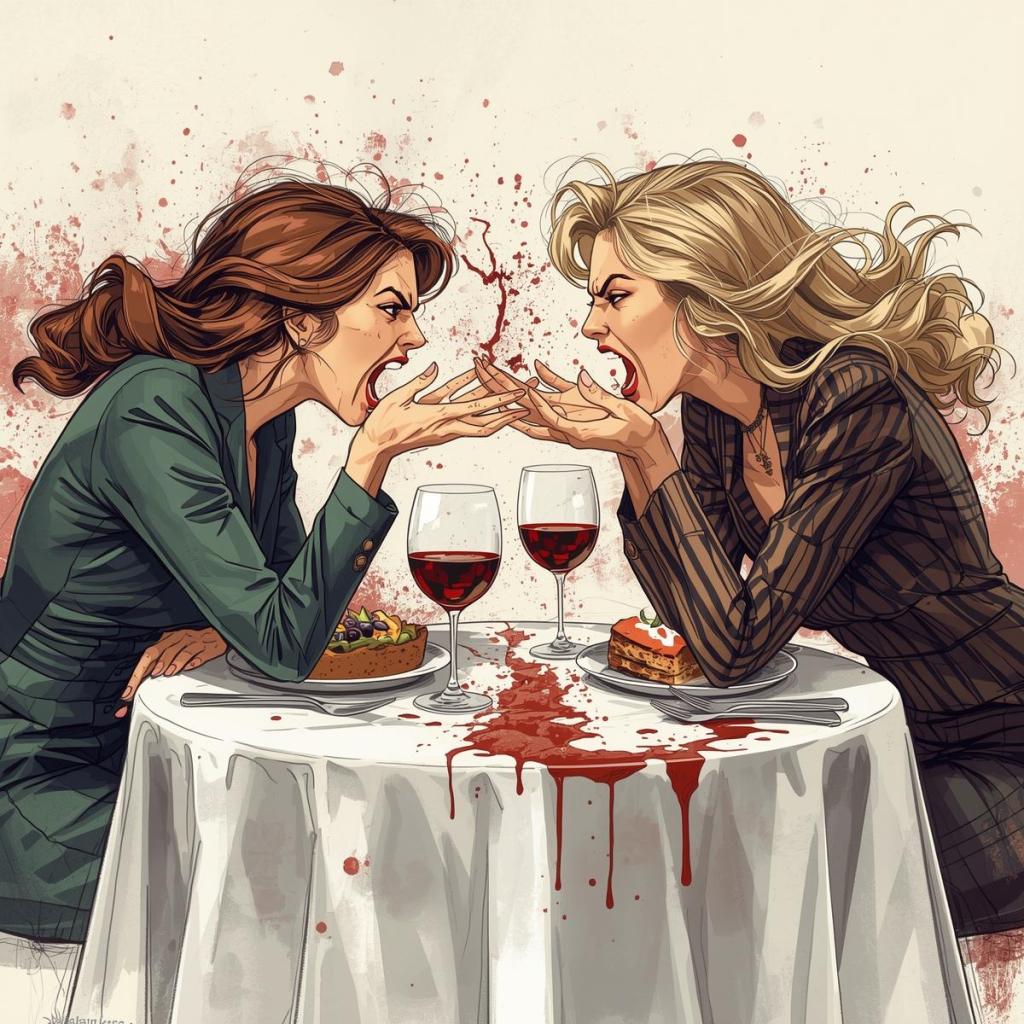
We live in an age where public apologies are content: crafted, monetised, and dissected by fans, blogs, and podcasts within minutes.
The Housewives simply amplify it — transforming real human flaws into entertainment currency.
And the reason we keep watching?
Because somewhere deep down, we recognise it.
We’ve all given a “sorry if you were offended.”
We’ve all dressed up guilt as grace.
The Housewives just do it louder, better dressed, and in front of Andy Cohen.
💋 The Power Politics of a Housewives Sorry
In the Housewives universe, an apology isn’t about healing — it’s about hierarchy.
Who apologises first? Who refuses to? Who demands one and never gets it?
Every “I’m sorry” becomes a battle for dominance.
Take any franchise — Beverly Hills, Atlanta, Dubai — and you’ll see the same pattern: the woman with the most power can afford to apologise least. Because in Bravo-land, contrition is currency — and not everyone’s rich in that.
🎭 The Redemption Season

Of course, the apology cycle always ends the same way — the redemption arc.
Cue soft lighting, therapy scenes, and a new confessional look to symbolise growth. But does anyone really change?
Maybe that’s the brilliance of it all.
These women understand what most of us forget — you don’t need to be forgiven to stay relevant.
An apology on Bravo isn’t about closure. It’s about continuity.
It keeps the cameras rolling, the ratings high, and the fans debating.
✨ What It Says About Us
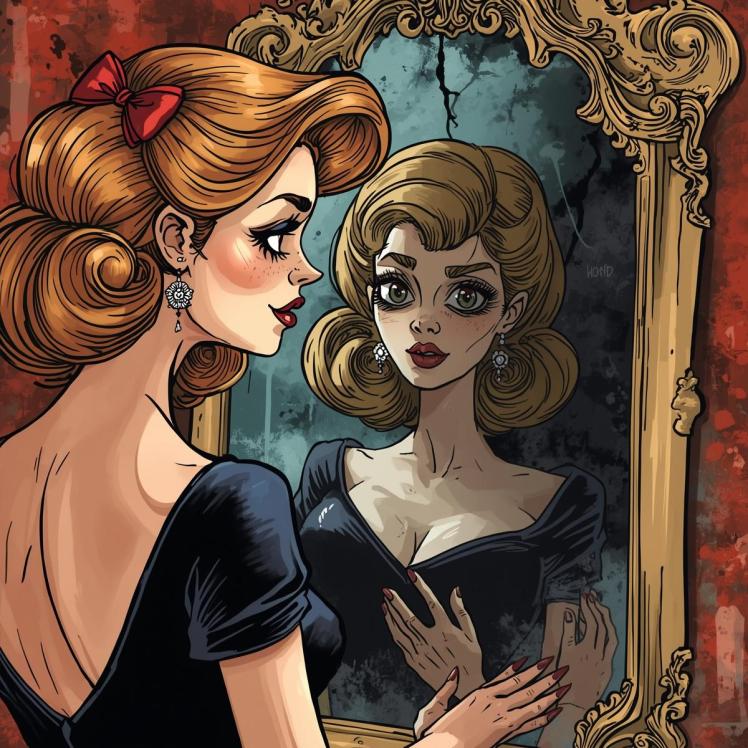
The Housewives have mastered something we’re all guilty of:
We say sorry to manage perception, not to repair connection.
But here’s the real takeaway — beneath the spray tans and taglines, there’s something uncomfortably human about it.
They’re flawed, defensive, reactive — like all of us, just with better lighting.
Maybe that’s why we love them.
Because while they’re pretending to apologise, we’re secretly forgiving ourselves.
🥂 The Final Confessional
So here’s my theory:
No one watches Housewives for the apologies.
We watch for the moment before — the tension, the truth teetering on the edge of a perfectly lined lip. This is where the magic happens, where emotions bubble just beneath the surface like a soda shaken too vigorously. Each episode unfolds like a carefully orchestrated play, with every glance and pause laden with unspoken words, leaving viewers perched on the edge of their seats, anticipating the impending eruption.
Because Housewives don’t just say sorry — they make it fashion. It’s not merely about the words; it’s about the delivery, the dramatic flair, and the carefully curated aesthetics that accompany these moments of vulnerability. The extravagant gowns and shimmering jewels become a backdrop against which these confessions unfold, amplifying the impact. Each “I’m sorry” is laden with layers of intention, woven into the fabric of luxurious lifestyles and fierce friendships that have been cultivated over seasons.
What we truly crave isn’t the resolution but the spectacle of conflict, the artistry of communication wrapped in glamour. We are entranced by how these women navigate through their intricate social webs, balancing friendships and rivalries with the precision of a seasoned performer on stage. It’s in the chaos, the drama, and the vibrant personalities of these Housewives that we find our entertainment — those breathtaking moments that are just shy of forgiveness, maintaining the tantalising thread that keeps us coming back for more.
💋
Dylan x
Discover more from TheDylansWorld
Subscribe to get the latest posts sent to your email.
 TheDylansWorld