

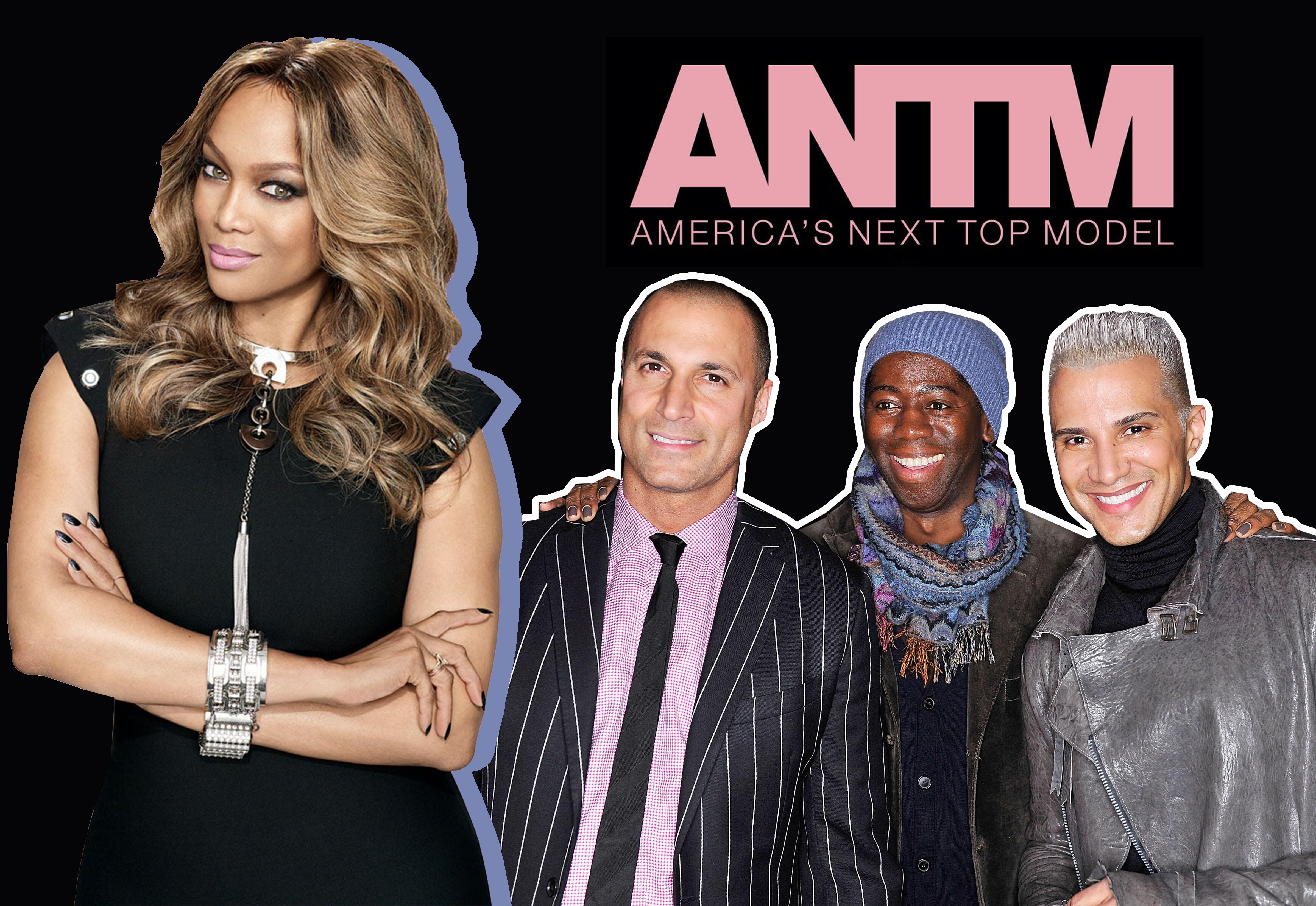
There was a time when America’s Next Top Model wasn’t just reality television — it was appointment viewing. It was chaotic, glossy, brutal, aspirational, and undeniably addictive. Created and fronted by Tyra Banks, the show promised to turn “regular” young women into high-fashion stars.
Now, years later, the franchise is being dissected under a much harsher cultural microscope — particularly through the lens of the new expose-style revisit, Reality Check. The question is: are we uncovering truth… or rewriting history?
🧵 The Premise Then vs. The Narrative Now
When ANTM premiered in 2003, reality television was cutthroat. Shows like Survivor and The Apprentice thrived on humiliation, pressure, elimination, and high emotional stakes. Contestants weren’t protected from stress — they were placed directly in it.
America’s Next Top Model followed that same formula:
- High-pressure challenges
- Manufactured drama
- Psychological tension
- Extreme makeovers
- Judges wielding absolute authority
And yes — sometimes it crossed lines.
But here’s the uncomfortable truth:
These contestants were adults. Not children. Not coerced minors. Grown women who signed contracts and stepped into a machine that was very clearly built for spectacle.
They wanted fame. They wanted exposure. They wanted a shot.
And in the early 2000s, the cost of that was emotional endurance.
🎭 The Tyra Factor — Intent vs. Outcome
It’s easy, in hindsight, to villainise Tyra Banks. She was the face of the show. An executive producer. The authority figure delivering critiques that could be harsh, theatrical, even questionable.
But a colder, more neutral lens suggests something else.
Did Tyra start the show with pure intentions? Likely, yes. The original vision seemed rooted in empowerment — breaking barriers in modelling, creating opportunities for diverse women, giving unknown talent a platform.
However, television is not built on purity. It is built on ratings.
Network executives shape formats. They push escalation. They demand bigger moments, more shock, stronger reaction. Even if Tyra held producer credit, the idea that she single-handedly engineered every controversial challenge ignores how network television operates.
Pressure from executives isn’t theory — it’s standard industry practice.
📺 Why It Was So Compelling
The show worked because it was uncomfortable.
As someone who grew up watching it, I knew then that parts of it were messed up. The body critiques. The emotional manipulation. The power imbalance.
But that tension is what made it gripping.
It wasn’t polished. It wasn’t safe. It wasn’t filtered through a hyper-sensitive cultural lens. It was raw, flawed, messy television — and that unpredictability made it electric.
Today’s audiences often revisit it with outrage. But outrage is easier in hindsight. The cultural climate was different. The entertainment standard was harsher. And viewers consumed it knowingly.
🌍 The Generational Shift
Bluntly: the new generation processes media through a far more protective framework.
Where older viewers saw high-stakes competition, many now see trauma exploitation. Where some saw resilience-building, others see emotional harm.
There’s space for both interpretations.
But there’s also a tendency to flatten complexity into villain narratives. To retroactively apply 2026 standards to 2003 programming without acknowledging context.
Were mistakes made? Yes.
Was it uniquely evil for its time? No.
It was a product of its era.

🧨 The Exposé Problem
Reality Check positions itself as a truth-telling moment — peeling back the curtain, re-examining past damage. But through a colder lens, it feels… unnecessary.
It harps on the past without offering meaningful evolution. It re-litigates moments already dissected online for years. And ultimately, it feels less like healing and more like headline-grabbing.
There’s an undercurrent that this isn’t about growth — it’s about re-entering the spotlight. About reviving discourse around a once star-studded judging panel.
And that makes it messy.
Not revelatory. Not groundbreaking. Just strategically timed.
🧊 The DC Truth Box
Here’s the balanced take:
- Yes, the show manipulated narratives.
- Yes, challenges sometimes crossed ethical lines.
- Yes, contestants were emotionally pushed.
But:
- They were adults.
- They signed up voluntarily.
- They had the right to walk away.
- And many leveraged the exposure successfully.
Accountability matters. Context matters more.
It’s easy to frame ANTM as a cautionary tale. It’s harder to acknowledge it as both problematic and culturally iconic — both exploitative and wildly entertaining.
🧠 Final Verdict
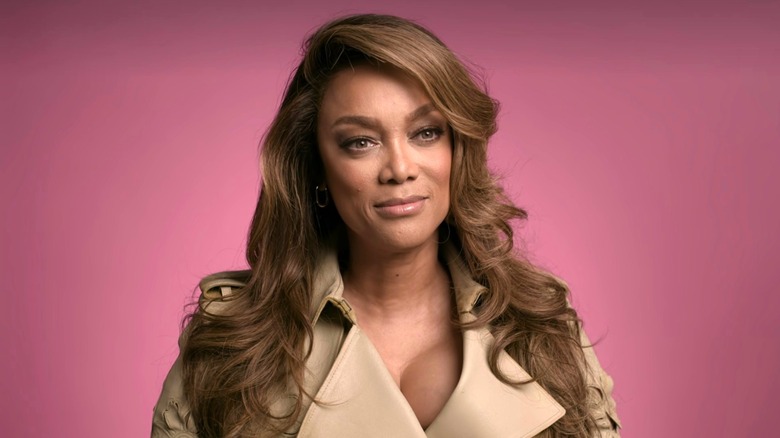
America’s Next Top Model remains a fascinating time capsule of early 2000s reality television — ambitious, flawed, dramatic, and undeniably influential.
The expose may attempt to dismantle it, but it doesn’t uncover anything viewers didn’t already sense back then.
It was messy. It was manipulative. It was addictive.
And in trying to repackage that history for modern outrage cycles, Reality Check feels less like necessary reflection and more like performative excavation.
Rating: ★★☆☆☆ (2/5)
Culturally significant? Absolutely.
Worth the renewed outrage campaign? Questionable.
Entertaining in its prime? Undeniably.

 TheDylansWorld
Leave a comment